
Tooth-Colored Fillings
Tooth-Colored Fillings in Chembur, Mumbai
Repair Cavities Naturally with Tooth-Colored Dental Fillings
A cavity, chipped tooth, or worn filling can affect both your oral health and your confidence. Tooth-colored fillings offer a natural-looking way to repair damaged teeth while preserving as much healthy tooth structure as possible.
At Adorn Dentistry, we provide tooth-colored fillings in Chembur, Mumbai, using modern dental materials designed to blend with the natural shade of your teeth.
These fillings can help restore strength, function, and appearance without the dark or metallic look associated with traditional silver fillings.
Book your dental consultation today and restore your tooth with a natural-looking solution.

What Are Tooth-Colored Fillings?
Tooth-colored fillings, also known as composite fillings or white fillings, are restorations used to repair teeth affected by decay, minor fractures, wear, or small cosmetic imperfections.
They are made from a tooth-colored resin material that can be carefully matched to the natural shade of your teeth.
Unlike traditional metal fillings, composite fillings are designed to blend with the surrounding tooth structure, making them less noticeable when you smile or speak.
When Are Tooth-Colored Fillings Recommended?
Tooth-colored fillings may be recommended for:
- Dental cavities
- Small areas of tooth decay
- Chipped teeth
- Cracked or worn teeth
- Gaps between selected teeth
- Old or damaged fillings
- Minor cosmetic corrections
- Teeth affected by enamel wear
The suitability of a filling depends on the size and location of the damage, the condition of the tooth, and your bite.
If the tooth is extensively damaged, another treatment such as a dental crown, inlay, onlay, or root canal treatment may be more appropriate.
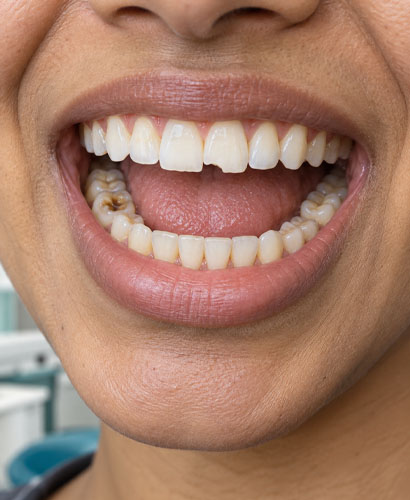
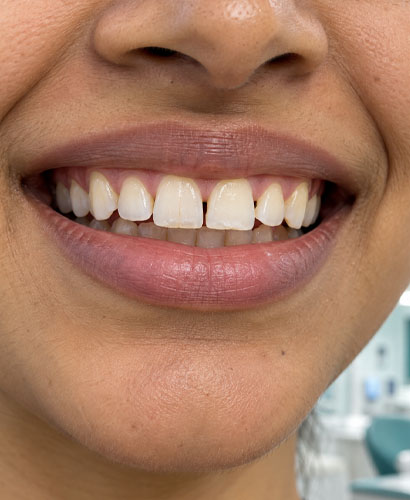
Signs You May Need a Dental Filling
You may need a dental examination if you notice:
- Tooth sensitivity to hot, cold, or sweet foods
- Pain while chewing
- A visible hole or dark spot in a tooth
- Food frequently getting stuck between teeth
- A chipped or rough tooth surface
- A broken or loose filling
- Floss tearing around a tooth
- Mild, recurring tooth discomfort
Some cavities develop without obvious symptoms, which is why regular dental check-ups are important.
Benefits of Tooth-Colored Fillings
Natural Appearance
The filling material is matched to your tooth shade, helping it blend naturally with your smile.
Restores Tooth Function
The filling helps repair the tooth so you can bite and chew more comfortably.
Mercury-Free Material
Composite fillings do not contain mercury and offer an alternative to traditional amalgam fillings.
Preserves Healthy Tooth Structure
Composite material bonds directly to the tooth, often allowing a conservative approach that removes only the damaged portion.
Suitable for Front and Back Teeth
Tooth-colored fillings can be used in visible front teeth and selected back teeth, depending on the size and position of the cavity.
Can Repair Minor Cosmetic Concerns
In selected cases, the same material may be used to improve small chips, gaps, worn edges, or uneven tooth shapes.
Our Tooth-Colored Filling Process
Creating a beautiful smile begins with understanding your vision.
Step 1: Dental Examination
We examine the tooth and may use diagnostic imaging to determine the depth and extent of decay or damage.
Step 2: Comfort and Preparation
If required, local anesthesia is used to numb the area and make the procedure comfortable. The decayed or damaged portion of the tooth is carefully removed.
Step 3: Shade Selection
A composite shade is selected to closely match your natural tooth color.
Step 4: Filling Placement
The tooth is cleaned and prepared before the composite material is placed in layers. Each layer is hardened using a specialized curing light.
Step 5: Shaping and Polishing
The filling is shaped to restore the natural form of the tooth and adjusted so your bite feels comfortable. The final restoration is polished for a smooth, natural-looking finish.
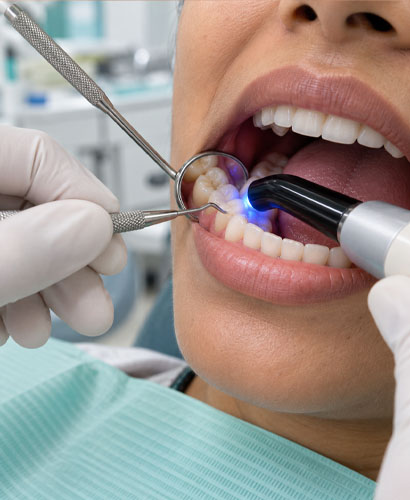
Are Tooth-Colored Fillings Painful?
The procedure is generally comfortable.
Local anesthesia may be used when decay is deep or the tooth is sensitive. You may feel light pressure during treatment, but you should not feel sharp pain.
Some patients experience temporary sensitivity after a filling, especially if the cavity was deep. This usually improves as the tooth settles.
Contact the clinic if sensitivity becomes severe, lasts longer than expected, or your bite feels uneven.
How Long Do Tooth-Colored Fillings Last?
The lifespan of a tooth-colored filling depends on:
- The size of the filling
- The tooth’s location
- Your bite
- Oral hygiene
- Diet
- Teeth grinding or clenching
- Regular dental care
- Habits such as chewing ice or hard objects
With proper care, composite fillings can provide reliable results for many years.
However, no filling lasts forever. Routine dental examinations allow your dentist to check for wear, cracks, leakage, or recurrent decay.
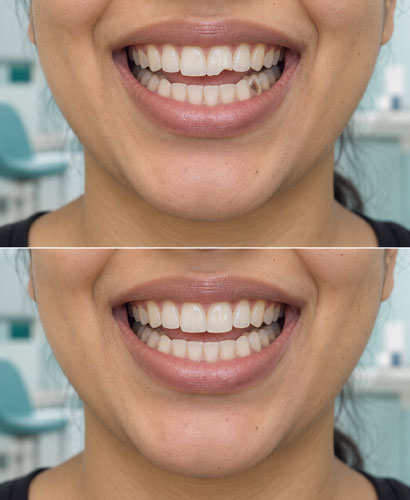

Why Choose Adorn Dentistry for Tooth-Colored Fillings?
Patients choose Adorn Dentistry because we combine conservative treatment with natural-looking results.
We provide:
- Careful dental evaluation before treatment
- Tooth-shade matching for a natural appearance
- Modern composite materials
- Conservative removal of damaged tooth structure
- Comfortable treatment techniques
- Bite assessment and precise finishing
- Fillings for adults and children
- Cosmetic bonding for selected minor concerns
- Clear explanations and ethical recommendations
- Complete restorative and cosmetic dentistry under one roof
Our objective is to restore your tooth in a way that looks natural, feels comfortable, and supports long-term oral health.
Frequently Asked Questions
1. Are tooth-colored fillings safe?
Yes. Composite fillings are widely used in modern dentistry and are considered a safe restorative option when used appropriately.
2. Do tooth-colored fillings look natural?
Yes. The material is selected to match the natural shade of your teeth, making the restoration less noticeable.
3. How long does it take to place a filling?
Many fillings can be completed in one visit. The appointment duration depends on the size, depth, and number of cavities being treated.
4. Can I eat after getting a tooth-colored filling?
Composite fillings harden during the appointment. However, if local anesthesia was used, wait until the numbness wears off before chewing to avoid biting your cheek or tongue.
5. Why is my tooth sensitive after a filling?
Temporary sensitivity can occur, especially after a deep filling. It often improves gradually. Persistent or worsening sensitivity should be evaluated by your dentist.
6. Can tooth-colored fillings stain?
Composite material may develop surface discoloration over time due to tea, coffee, tobacco, or other habits. Regular cleaning and polishing can help maintain appearance.
7. Is a filling enough for a broken tooth?
A filling may repair a small chip or fracture. A larger break or weakened tooth may require a crown or another restorative treatment.
8. Can a filling prevent the need for a root canal?
Treating decay early can help prevent it from reaching the tooth’s nerve. If infection has already reached the pulp, root canal treatment may be required.
9. Do children need fillings in baby teeth?
Yes, when indicated. Baby teeth support chewing, speech, and the development of permanent teeth. Untreated cavities can cause pain and infection.
10. How do I know if an old filling needs replacement?
A filling may need replacement if it becomes cracked, loose, painful, worn, or develops decay around its edges. A dental examination is necessary to confirm this.
Restore Your Tooth Without Compromising Your Smile
Restore Your Tooth Without Compromising Your SmileA small cavity or chipped tooth can become a larger problem when left untreated.
At Adorn Dentistry, we use tooth-colored fillings to repair selected dental concerns while maintaining a natural-looking smile and preserving healthy tooth structure whenever possible.
Book your tooth-colored filling consultation in Chembur today and protect your smile with timely, personalized dental care.