
Dental Crowns
Dental Crowns in Chembur, Mumbai
Restore Damaged Teeth with Strong, Natural-Looking Dental Crowns
A weak, cracked, heavily filled, or root canal-treated tooth may need more protection than a regular filling can provide. A dental crown helps cover and strengthen the tooth while restoring its shape, function, and appearance.
At Adorn Dentistry, we provide custom-made dental crowns in Chembur, Mumbai, designed to look natural, fit comfortably, and protect damaged teeth from further wear or fracture.
Every crown is carefully planned according to the condition of your tooth, bite, smile, and long-term oral health needs.
Book your dental crown consultation today and restore your tooth with a durable, natural-looking solution.
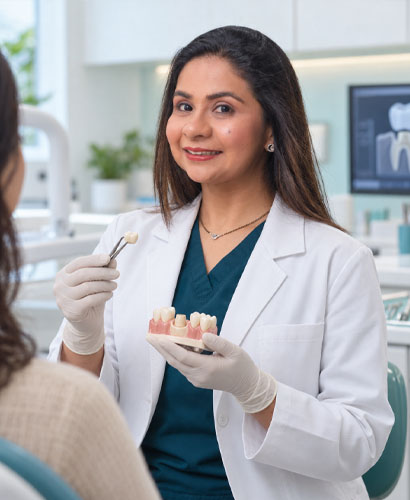
What is a Dental Crown?
A dental crown is a custom-made restoration that covers the visible portion of a damaged or weakened tooth.
It acts like a protective cap, helping restore:
Tooth strength, Natural shape, Chewing function, Bite balance & Smile appearance
Dental crowns may be made from different materials depending on the tooth’s location, biting pressure, aesthetic requirements, and your individual treatment needs.
When is a Dental Crown Recommended?
A dental crown may be advised when a tooth is too damaged or weak to be restored with a filling alone.
Common reasons include:
- A large cavity
- A cracked or fractured tooth
- A heavily worn tooth
- A tooth with a large old filling
- A root canal-treated tooth
Severe tooth discoloration - A misshapen tooth
- A weakened tooth at risk of breaking
- A dental implant requiring a replacement tooth
- A dental bridge requiring support
A detailed dental examination helps determine whether a crown is necessary or whether a more conservative treatment may be suitable.
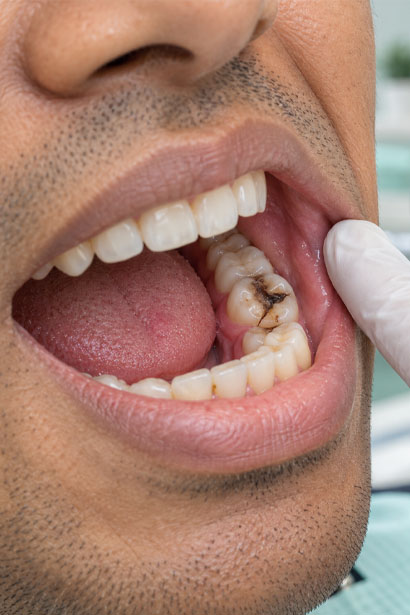
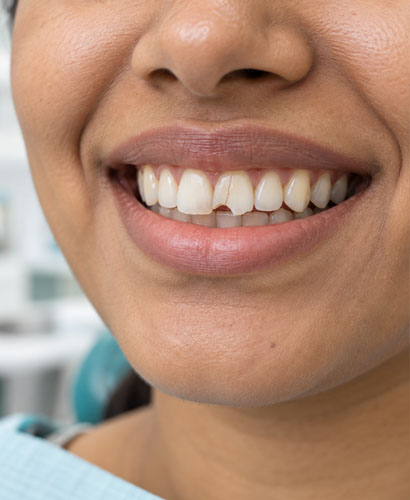
Signs You May Need a Dental Crown
You may need a dental evaluation if you notice:
- Pain while chewing
- A cracked or broken tooth
- A large filling that feels weak
- Repeated fracture of a filling
- Sensitivity from a damaged tooth
- A tooth that has undergone root canal treatment
- Visible discoloration that does not respond to whitening
- Uneven tooth shape
- A loose or damaged old crown
Early treatment may help prevent the tooth from breaking further.
Benefits of Dental Crowns
Strengthens a Weak Tooth
A crown covers and protects the remaining tooth structure, reducing the risk of fracture.
Restores Chewing Function
A damaged tooth can make eating uncomfortable. A properly fitted crown helps restore normal function.
Improves Tooth Appearance
Crowns can improve the color, shape, size, and overall appearance of a tooth.
Protects a Root Canal Tooth
After root canal treatment, some teeth become more fragile. A crown may help protect the tooth from future fracture.
Supports Long-Term Oral Health
By restoring tooth shape and bite, a crown can help maintain proper alignment and function.
Natural-Looking Results
Modern tooth-colored crowns can be designed to blend with the surrounding teeth.
Types of Dental Crowns
The most suitable crown material depends on the location of the tooth, bite strength, aesthetic expectations, and treatment requirements.
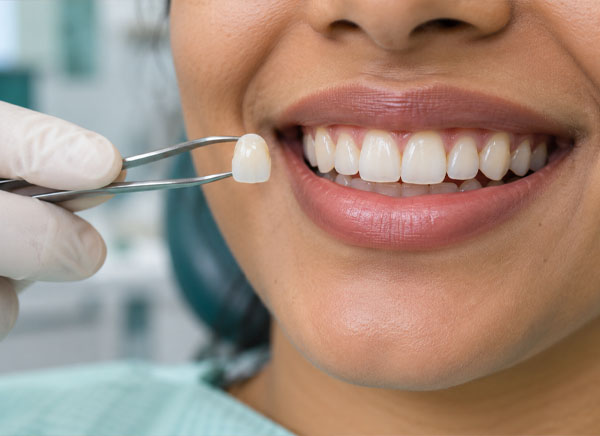
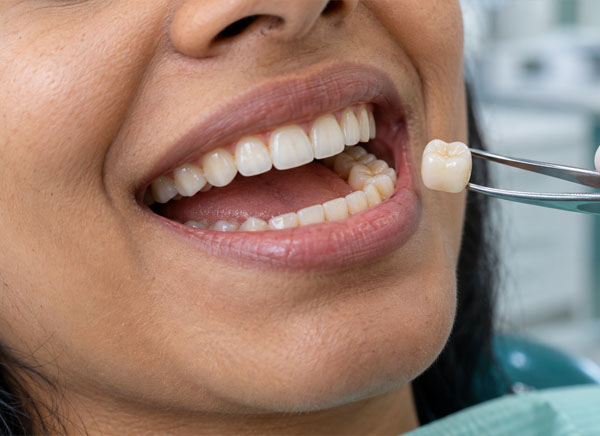
Ceramic Crowns
Ceramic crowns are designed to closely match the natural appearance of teeth. They are commonly considered for visible front teeth because of their aesthetic qualities.
They may offer: Natural translucency, Tooth-colored appearance, Good smile integration & Metal-free construction
Zirconia Crowns
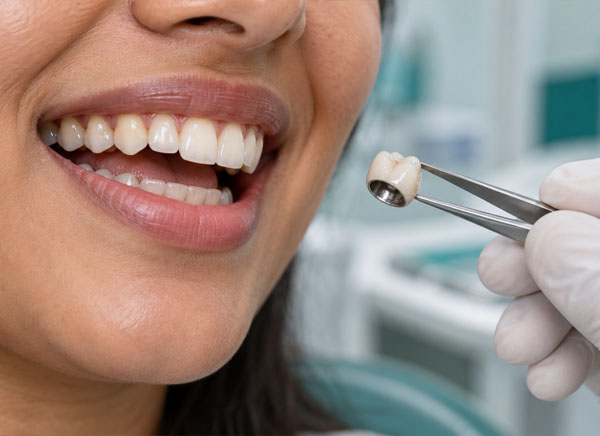
Zirconia crowns are known for their strength and natural appearance. They may be suitable for both front and back teeth, depending on the case.
Benefits may include: High durability, Good resistance to fracture, Natural-looking appearance, Metal-free material & Suitability for areas with higher biting pressure.
Porcelain-Fused-to-Metal Crowns
These crowns combine a metal base with a tooth-colored porcelain outer layer.
They provide strength while improving appearance, although a dark line may become visible near the gum in some cases over time.
Metal Crowns
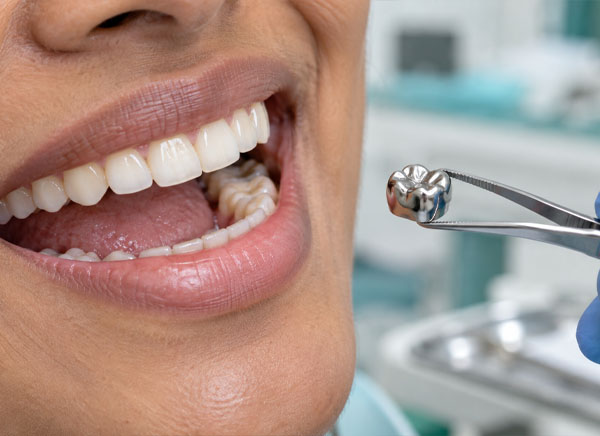
Metal crowns are highly durable and may be used in selected areas where appearance is less important.
Their suitability depends on clinical needs and patient preference.
Dental Crown Treatment Process
Creating a beautiful smile begins with understanding your vision.
Step 1: Dental Examination
We assess the tooth, surrounding gums, bite, and overall oral health. Diagnostic imaging may be used to check the root and supporting bone.
Step 2: Treatment Planning
We explain: Why a crown is recommended, Whether other treatment is required first, Suitable crown materials, Expected timeline, Estimated cost and Care and maintenance
Step 3: Tooth Preparation
The tooth is carefully shaped to create space for the crown. If required, local anesthesia is used to keep the procedure comfortable.
Step 4: Impression or Digital Scan
An accurate impression or digital scan is taken to create a crown that fits your tooth and bite.
Step 5: Temporary Crown
A temporary crown may be placed while the permanent crown is being prepared. You will receive instructions on how to protect it.
Step 6: Crown Fitting
The final crown is checked for: Fit, Shape, Color, Gum contact, Bite comfort & Overall appearance. Once the fit is satisfactory, the crown is secured in place.
Does Getting a Dental Crown Hurt?
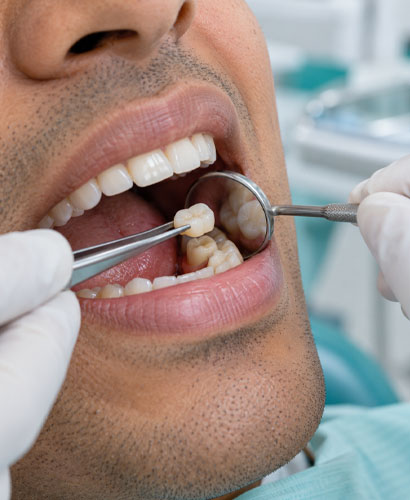
Dental crown treatment is generally performed with local anesthesia when needed.
You may feel mild pressure during tooth preparation, but the procedure should be comfortable.
Some temporary sensitivity may occur after treatment, especially if the tooth was already sensitive or heavily damaged. This usually settles as the tooth adjusts.
Contact the clinic if you experience persistent pain, swelling, or discomfort while biting.
How Long Do Dental Crowns Last?
The lifespan of a dental crown varies according to:
- Crown material
- Tooth condition
- Bite pressure
- Oral hygiene
- Gum health
- Teeth grinding
- Diet
- Regular dental care
With proper maintenance, a crown can function successfully for many years.
However, crowns should be checked regularly for wear, looseness, decay at the edges, or gum changes.
Caring for Your Dental Crown
A crowned tooth still requires proper daily care.
To protect your crown:
- Brush twice daily
- Floss around the crown every day
- Attend routine dental check-ups
- Schedule professional teeth cleaning as advised
- Avoid biting ice or hard objects
- Use a night guard if you grind your teeth
- Limit frequent sugary foods and drinks
- Contact your dentist if the crown feels loose or uncomfortable
The tooth beneath the crown can still develop decay if plaque collects around the edges.
Frequently Asked Questions
How do I know if I need a dental crown?
A crown may be recommended if your tooth is cracked, heavily filled, root canal treated, severely decayed, weakened, or significantly discolored. A dental examination is required to confirm the best treatment.
Is a crown always required after root canal treatment?
Not always. However, crowns are commonly recommended for back teeth and teeth with significant structural damage because they may be more prone to fracture.
How long does it take to get a dental crown?
The treatment may require more than one appointment, depending on the type of crown and the clinical process used. Your dentist will explain the expected timeline.
Will the crown look like a natural tooth?
Tooth-colored crowns are designed to match the shape and shade of surrounding teeth. The final appearance depends on material selection, tooth position, and individual conditions.
Can a crowned tooth develop decay?
Yes. Decay can develop around the edges of a crown if plaque accumulates. Good brushing, flossing, and regular dental check-ups remain essential.
Why does my crown feel high when I bite?
A newly fitted crown may sometimes require a minor bite adjustment. Contact the clinic if the crown feels uncomfortable or affects chewing.
Can an old crown be replaced?
Yes. A crown may be replaced if it becomes loose, cracked, worn, discolored, poorly fitting, or if decay develops underneath it.
Can I eat normally with a dental crown?
Yes, once the final crown is properly fitted. Avoid biting very hard objects and follow any instructions provided by your dentist.
What happens if I do not crown a weak tooth?
A weak tooth may crack or fracture further. In some cases, the damage may become too severe to restore, increasing the risk of tooth extraction.
Are zirconia crowns better than ceramic crowns?
Both materials have advantages. Zirconia is known for strength, while ceramic options may offer excellent aesthetics. The best material depends on the tooth location, bite, and treatment goals.
Is dental crown treatment painful?
The procedure is usually performed with local anesthesia when required. Mild temporary sensitivity may occur after treatment, but significant pain is not expected.
How much does a dental crown cost?
The cost depends on the material, tooth condition, required preparation, and whether additional treatment is needed. A personalized estimate is provided after examination.
Protect and Restore Your Damaged Tooth
A cracked, weak, or root canal-treated tooth should not be ignored. Timely restoration may help prevent further damage and preserve your natural tooth.
At Adorn Dentistry, we provide custom dental crowns designed to restore strength, comfort, and natural appearance.
Book your dental crown consultation in Chembur today and take the next step toward protecting your smile.